 Save to Pinterest
 I'll never forget the first time I assembled a wine pairing board for my book club. We were about to dive into a novel set in a French countryside, and I wanted the table to feel like we were actually there, sipping wine among vineyards and rolling hills. That's when it clicked—why not create a platter where each section was a conversation partner to a different wine? The idea of using fresh rosemary sprigs as natural dividers was born that afternoon, and now, every time I arrange one of these boards, I'm transported back to that moment of pure kitchen joy.
I remember serving this platter at my best friend's birthday gathering, watching her eyes light up as she realized each section had been designed with specific wines in mind. One guest, who'd never paired cheese with wine before, spent the entire evening experimenting with different combinations, and by the end of the night, she'd discovered her new favorite pairing. That's when I knew this platter wasn't just food—it was permission to slow down and savor both the flavors and the company.
Ingredients
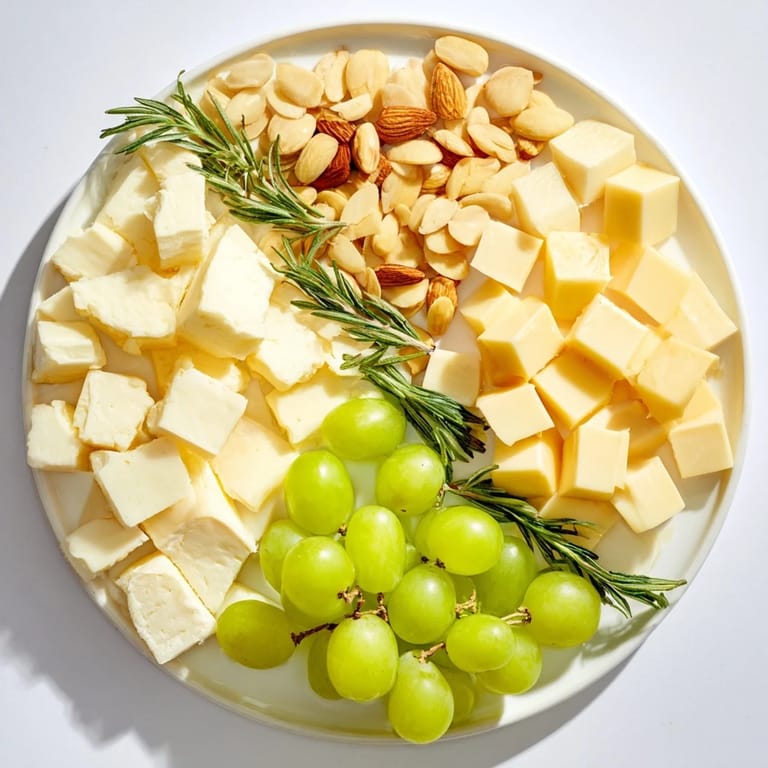
- Triple-cream brie: This is your silky secret weapon for the Chardonnay section—it melts on the tongue and lets crisp white wine shine. Don't skip the good stuff here; the quality difference is immediate.
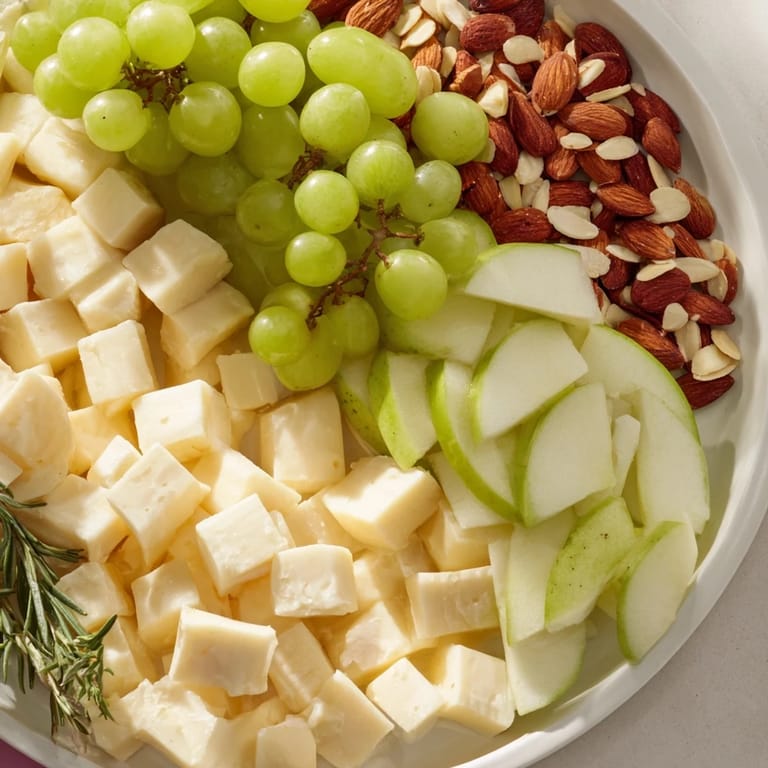
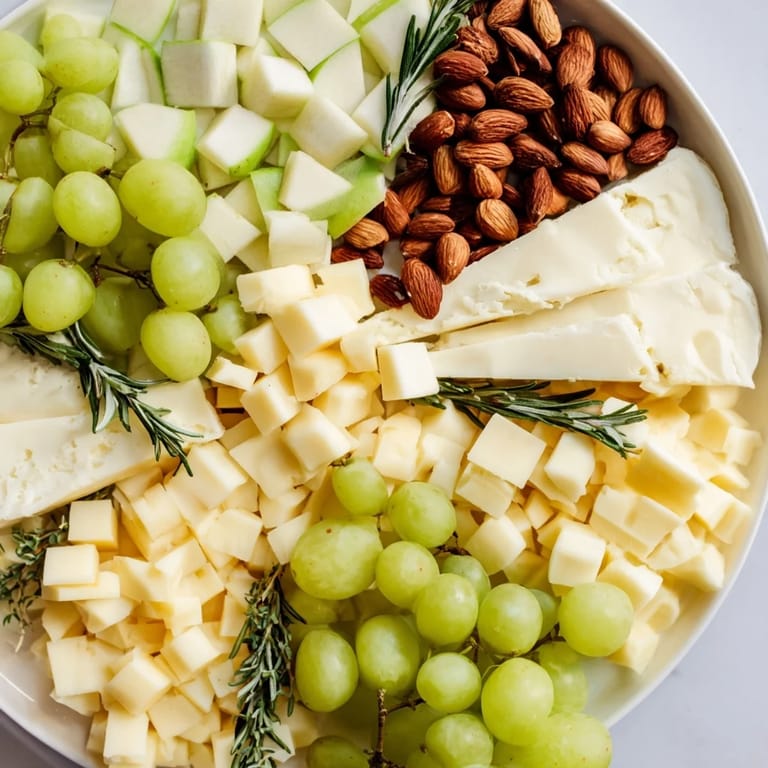
- Gruyère cheese: Nutty and complex, it's the bridge between the brie's delicacy and the apple's brightness. I learned to cube it rather than slice because it stays fresher longer and looks more intentional.
- Green grapes: Pick ones that are plump and fresh; they're the palate cleanser your section needs. Their sweetness plays beautifully against the savory cheese.
- Crisp apple: A Honeycrisp or Granny Smith works best—slice it just before serving so it doesn't brown, and that slight tartness anchors the whole first section.
- Marcona almonds: These buttery Spanish almonds are different from regular ones. They're already roasted and salted, so they add sophistication without any prep work.
- Aged cheddar: The deeper golden color, the better. Age brings sharpness that stands up beautifully to Pinot Noir's earthiness.
- Smoked gouda: This is where depth comes from. That gentle smoke whispers through and makes the red wine section feel complete and grounded.
- Prosciutto and salami: These are the umami anchors. Slice them paper-thin, and let them drape naturally—they're as much about texture as flavor.
- Cherry tomatoes: Get the sweetest ones you can find, and halve them just before serving so your guests can pop them whole if they want.
- Herbed goat cheese: This is where creativity lives. Form it into a rustic log, and let the herbs peek through. It's tangy enough to brighten sparkling wine.
- Dried apricots: The natural sweetness is a secret weapon for rosé. They soften slightly on the board as people graze, making them even more delicious.
- Roasted pistachios: Their slight saltiness and buttery texture are perfect counterpoints to the goat cheese's tartness and the apricot's sweetness.
- Mixed olives: Choose ones with pits so people know to slow down and savor. The briny complexity deepens the sparkling wine experience.
- Fresh cucumber: Crisp and clean, it's the refreshing note that keeps the third section light and bright. Slice it thin so it stays crunchy.
- Baguette and crackers: These are your edible vessels. I prefer a mix—some crusty bread, some delicate water crackers, some herbed ones—because variety keeps people exploring the board longer.
- Fresh rosemary sprigs: These aren't decorative; they're functional and aromatic. They actually perfume the board as people reach across them, creating a multisensory experience.
Tired of Takeout? 🥡
Get 10 meals you can make faster than delivery arrives. Seriously.
One email. No spam. Unsubscribe anytime.
Instructions
- Prepare your canvas:
- Start with a large, clean platter or wooden board—something that feels substantial and inviting. This is your stage. Take those fresh rosemary sprigs and arrange them into three gentle sections, creating natural divisions without making hard lines. They should feel organic, like you're drawing with herbs.
- Build the Chardonnay section:
- This is your white wine lover's corner, so think delicate and bright. Arrange the sliced brie so it catches the light—it's almost translucent at the edges. Nestle the Gruyère cubes nearby, then scatter your green grapes in little clusters. Fan out the apple slices and let them catch a tiny bit of light too. Finally, scatter the Marcona almonds throughout, giving each element room to breathe and be appreciated.
- Create the Pinot Noir section:
- Here's where you embrace richness and depth. The aged cheddar and smoked gouda should be generous and prominent—these are showstoppers. Arrange the prosciutto and salami so they drape gracefully, creating natural folds and texture. Scatter the cherry tomato halves throughout, letting their bright red be jewels against the darker cheeses and meats. This section should feel abundant and warm.
- Compose the sparkling wine section:
- This corner is all about elegance and lift. Form your herbed goat cheese into a beautiful log—let the herbs show—and give it a place of honor. Arrange the dried apricots in little groupings, the pistachios scattered throughout for textural interest, and the olives in a small cluster so people know they can snack on them. Arrange the cucumber slices to catch the light, creating a fresh, clean energy.
- Fill the spaces:
- Now comes the meditative part. Take your baguette slices and crackers and fill in the gaps around each section, creating pathways and visual flow. There's no right way to do this—let your instinct guide you. You're not being precise; you're being inviting.
- Add the finishing touches:
- If you're using honey or fig jam, pour them into small bowls and nestle them into the platter, preferably near the cheese sections where they'll be most appreciated. They're optional, but they add a touch of luxury and give people unexpected flavor combinations to explore.
- Serve with intention:
- Arrange your board just before guests arrive so everything is fresh and the aromas are at their peak. The moment people see it, they'll understand that this is a board that rewards lingering.
 Save to Pinterest
 One evening, a quiet guest who usually sat on the periphery of our book club gathered a little of everything from each section and spent the next hour exploring how the wines changed with each pairing. By the end of the night, she was in the middle of the group, animated and engaged, talking about flavor combinations like she'd found a secret language. That platter became more than appetizers that night—it became a bridge that brought someone into the conversation.
The Art of Thoughtful Assembly
Making this platter has taught me something profound about hospitality. It's not about having the most expensive cheeses or the rarest ingredients—it's about creating an experience where people feel considered. Each section tells a story about what wine lovers appreciate, and arranging them thoughtfully says to your guests, 'I've been thinking about how to make this special for you.' That intention carries through every bite.
Wine Pairing Simplified
I used to be intimidated by wine pairing, thinking it required some secret knowledge I didn't possess. But organizing this platter taught me that pairing is really just matching intensity with intensity. Delicate Chardonnay with bright, creamy cheeses and fresh fruit. Earthier Pinot Noir with deeper, smoked, cured flavors. Effervescent sparkling wine with fresh, tangy elements. Once you understand that logic, pairing becomes intuitive and fun rather than stressful.
Making It Your Own
The beauty of a platter like this is that it's infinitely adaptable. Your guests' preferences become the guiding light. Love spicy foods? Add some hot pepper spreads to the red wine section. Vegetarian friends coming? The first and third sections are already vegetarian-friendly, and the second section simply becomes double the cheese and nuts. I've even made versions with chocolate for dessert wine pairings, adding dark chocolate shards to the sparkling section with dried cherries and toasted hazelnuts.
- Swap any cheese for something you love—the pairing logic stays the same, just follow the intensity rule
- Add roasted vegetables, nuts you prefer, or dried fruits based on what's in season or what your guests love
- Consider any dietary restrictions and plan substitutions in advance so the platter still feels abundant and thoughtful
 Save to Pinterest
 Every time I make this platter, I'm reminded that the best gatherings aren't about perfect food—they're about creating space for people to connect. This board just happens to be a beautiful excuse to do exactly that.
Recipe FAQs
- → How should the platter be arranged?
Arrange three distinct sections separated by fresh rosemary sprigs, placing cheeses, fruits, and nuts in each as suggested to match with different wines.
- → Can this platter accommodate vegetarian options?
Yes, omit the cured meats and replace them with additional nuts, roasted vegetables, or extra cheeses to keep it vegetarian-friendly.
- → What wines pair well with each section?
Section one complements Chardonnay or crisp white wines, section two pairs with Pinot Noir or light reds, and section three suits sparkling wine or rosé.
- → Are there any allergen considerations?
This platter includes milk from cheeses, tree nuts like almonds and pistachios, wheat from baguette and crackers, and pork from cured meats. Check ingredients for dietary restrictions.
- → What garnishes enhance the platter's presentation?
Fresh rosemary sprigs act as aromatic dividers, while honey or fig jam bowls add a touch of sweetness and variety beside the cheeses and nuts.