 Save to Pinterest
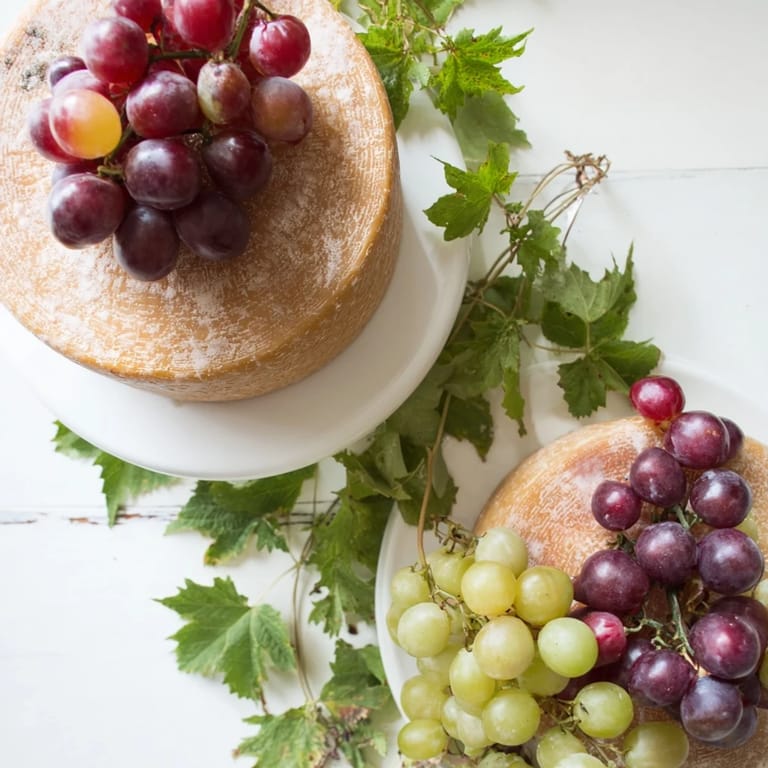
 There's something magical about the moment you realize a cheese board doesn't need to be fussy to be memorable. I was standing in a friend's kitchen in Provence, watching her pull untreated grapevines from her garden and casually drape them across a wheel of farmhouse cheese like she was arranging flowers. No recipe, no fuss—just vines, cheese, grapes, and bread. That image stayed with me, and now whenever I want to make people feel like they're sitting in a vineyard instead of someone's dining room, this is what I do.
I made this for the first time at a dinner party where I was nervous about the spread feeling too casual, and instead it became the thing everyone kept talking about weeks later. People naturally gathered around it like it was the beating heart of the table, and watching someone tear a piece of bread, add warm cheese, and reach for a grape cluster felt like watching them discover something for themselves.
Ingredients
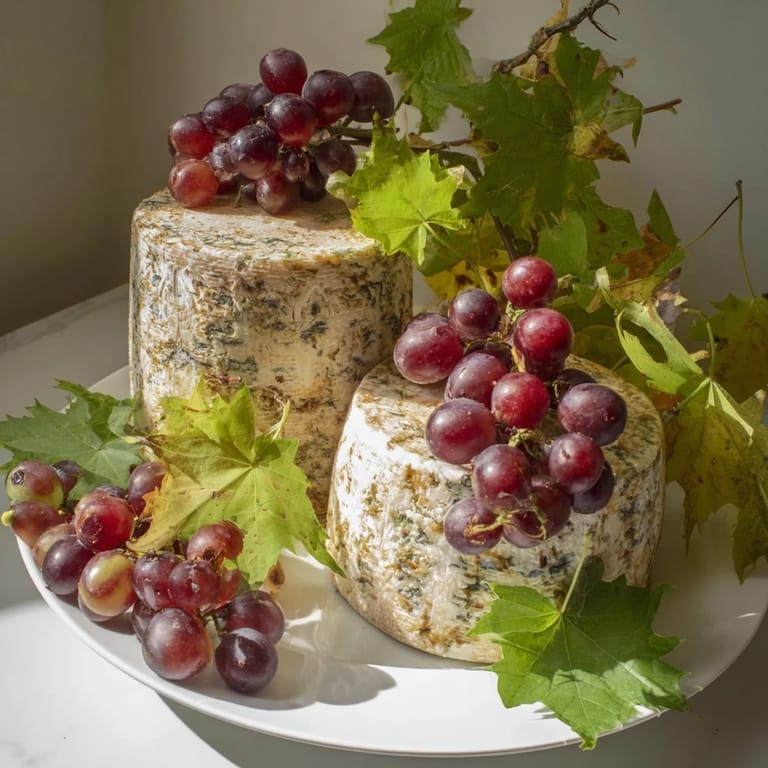
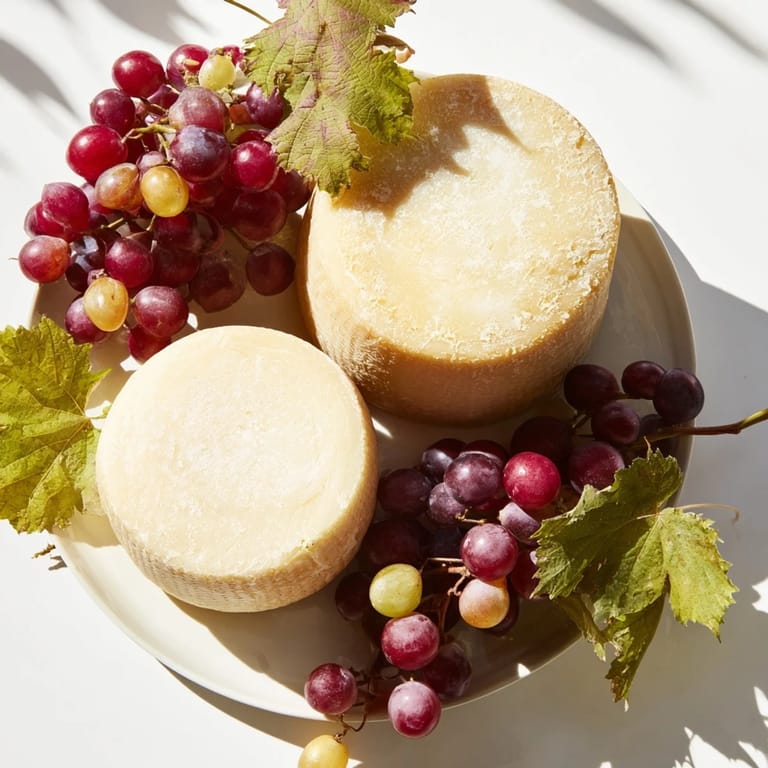
- Young, rustic cheese wheels: Two large wheels (about 1.5 kg each) of something with real character—tomme, young pecorino, or farmhouse cheese—where you can see the imperfections and know exactly where it came from.
- Untreated grapevine branches: Three to four long branches with leaves and stems still attached, washed and dried, because they're the entire soul of this presentation and no pesticide can come near them.
- Fresh grapes: Five hundred grams of red, green, or mixed grapes ideally still clinging to their stems, ready to nestle among the vines like they grew there.
- Rustic bread: One baguette or country loaf sliced thick enough to hold cheese without falling apart, because thin bread is a wasted opportunity.
- Nuts and dried fruit: A hundred grams each of walnuts or almonds and something dried like figs or apricots, though honestly these are optional if you want to let the main players shine.
Tired of Takeout? 🥡
Get 10 meals you can make faster than delivery arrives. Seriously.
One email. No spam. Unsubscribe anytime.
Instructions
- Arrange the vines first:
- Lay the grapevine branches across and around your cheese wheels on a large wooden board, letting them cascade naturally like they just fell there. The leaves and stems should drape generously—this is where the magic happens.
- Tuck in the grapes:
- Nestle clusters of fresh grapes among the vines and around the cheese wheels, filling in the gaps so there's pops of color everywhere you look. Let them rest where they feel balanced and beautiful.
- Fill the negative space:
- Arrange bread slices in small casual piles around the cheese and vines, leaving room for nuts and dried fruit if you're using them. Everything should look gathered, not gridded.
- Serve and invite:
- Bring everything to the table at room temperature, and let people cut slices of cheese, pair them with grapes and bread however they like. This is food that wants to be interactive.
 Save to Pinterest
 The best version of this dish I ever made was completely unplanned—a neighbor brought over cheese and grapes, I grabbed vines from the fence, and suddenly we were pouring wine and laughing like we'd set out to create something elaborate. It taught me that the best food moments aren't rehearsed; they're just the result of good ingredients and people who show up.
Choosing Your Cheese
The heart of this dish lives in the cheese, so think about what you actually want to taste. Young rustic cheeses have personality and just enough creaminess that they're welcoming without being heavy, and they slice cleanly without fighting back. Tomme feels earthy and grounding, pecorino brings a subtle salt and brightness, and farmhouse cheeses often surprise you with their complexity. Pick something that smells alive and looks like it has a story because it definitely does.
Wine Pairings and Serving Ideas
Crisp white wines are the obvious companion here—something with enough acidity to cut through the cheese and make the grapes taste even fresher—but don't skip light reds if that's what's in your glass. The temperature of everything matters too: serve it all at room temperature so the cheese softens just enough to be luxurious without tasting cold and stiff. If you want to push it further, a tiny drizzle of local honey or really good olive oil on the cheese at the last moment makes people understand why you bothered in the first place.
Making It Feel Like Your Own
This is one of those rare dishes where simplicity is the point, and playing with it feels natural instead of like you're breaking the rules. I've made it with autumn branches instead of grapevines, added edible flowers for spring, and even scattered seeds across the board just because they looked right. The vines and cheese are non-negotiable, but everything else is your conversation with what's in front of you.
- If you find edible flowers at the market, scatter them across the vines for a seasonal twist that costs almost nothing.
- Honey, olive oil, or even a light dusting of crushed pistachios on the cheese at serving time adds texture and makes it feel intentional.
- This dish actually improves if you make it an hour or two before serving—the cheese gets softer and everything melds together in the best way.
 Save to Pinterest
 Food that looks this good and tastes this real, with almost no effort required, is the kind of thing that makes people want to gather around your table again. That's worth remembering.
Recipe FAQs
- → What cheeses work best for this centerpiece?
Young, rustic, unfinished cheeses such as tomme, young pecorino, or farmhouse varieties complement the grapevine and grapes beautifully.
- → Can grape leaves substitute grapevine branches?
Yes, if full grapevine branches are unavailable, grape leaves can be used to maintain a similar fresh look and texture.
- → How should the grapevines be prepared?
Use untreated, organic grapevine branches washed and dried carefully to preserve their natural appearance and safety for serving.
- → Are there recommended accompaniments to serve?
Sliced rustic bread, assorted nuts like walnuts or almonds, and dried fruits such as figs or apricots pair well with this presentation.
- → What serving conditions are ideal?
Serve at room temperature to allow the cheese to soften slightly and enhance the flavors of the cheese and grapes together.
- → Can this be suitable for special diets?
This dish is vegetarian and gluten-free if bread is omitted; check accompaniments carefully for allergens such as nuts and gluten.